Winter Activities Guide: Trail Ridge Road & Rocky Mountain National Park
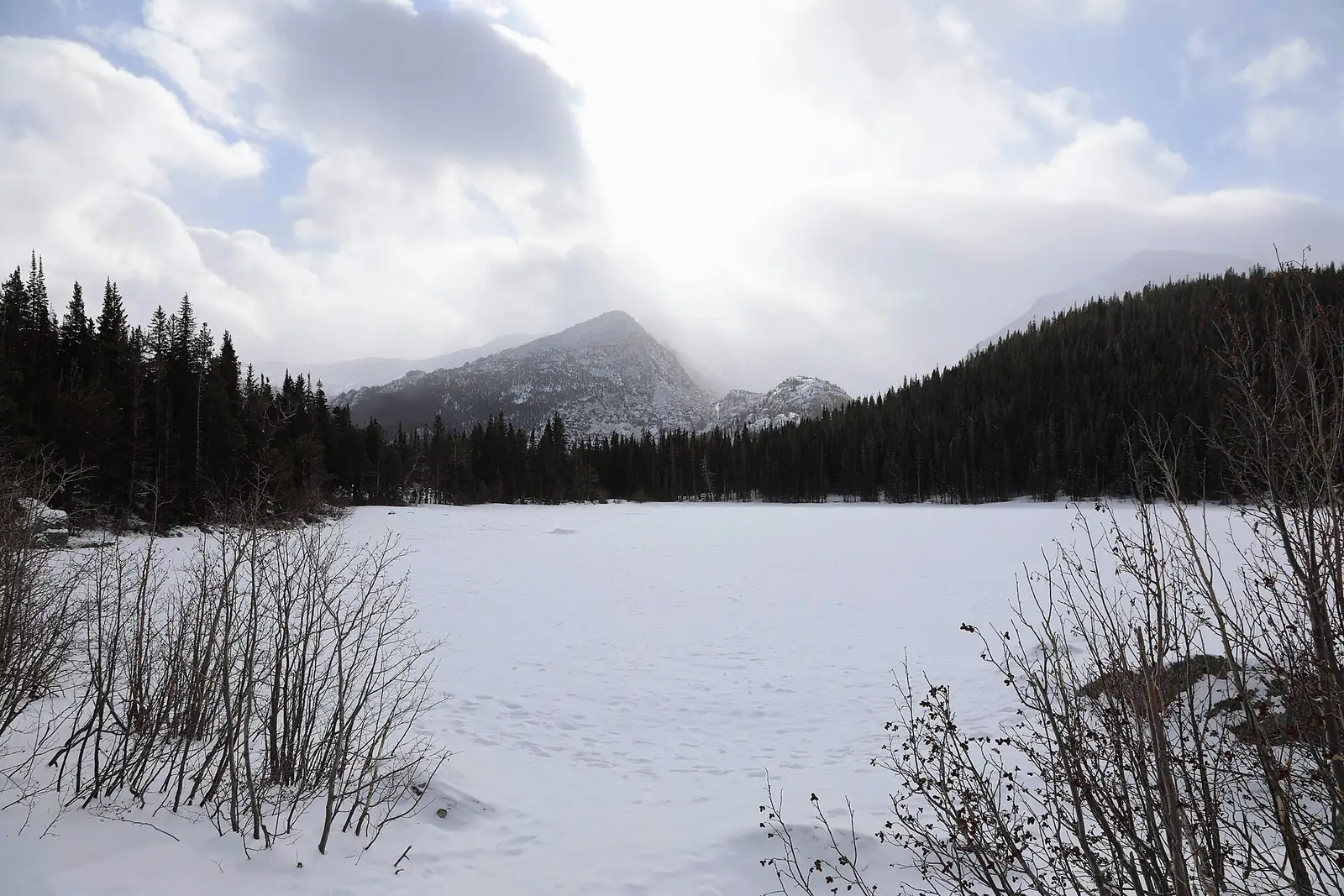
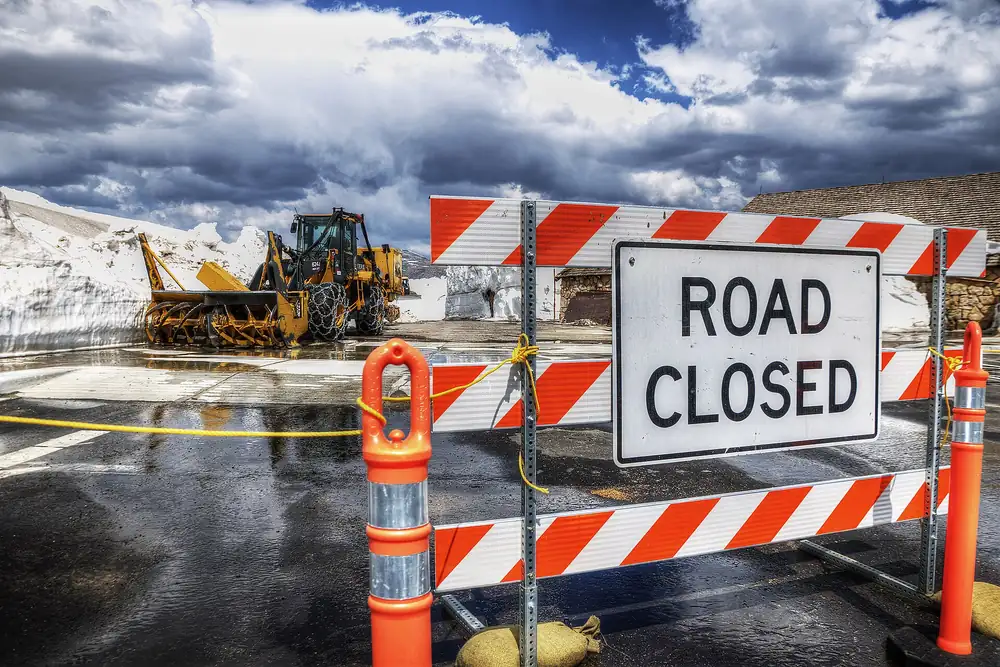
When Trail Ridge Road closes for winter (typically mid-October through May), the magic of Rocky Mountain National Park transforms into a spectacular winter wonderland. From snowshoeing through pristine alpine meadows to cross-country skiing beneath snow-laden evergreens, winter offers unique outdoor adventures and wildlife viewing opportunities unavailable during the busy summer season. This comprehensive guide covers winter activities, equipment recommendations, and safety tips for enjoying the Trail Ridge Road area when America's highest paved road is closed to vehicles.
❄️ Winter Season Quick Facts
- Trail Ridge Road Closure: Mid-October through May (weather dependent)
- Winter Access: Many Parks Curve (11 miles from Estes Park)
- Snow Season: November through April at higher elevations
- Peak Snow: January through March (4-8 feet accumulation)
- Winter Activities: Snowshoeing, cross-country skiing, wildlife viewing, photography
Snowshoeing Adventures on Closed Trail Ridge Road
Popular Snowshoeing Routes
Many Parks Curve to Hidden Valley (Beginner)
Distance: 2 miles round trip
Elevation Gain: 400 feet
Difficulty: Easy to moderate
Best For: Families and first-time snowshoers
This gentle introduction to winter recreation follows the closed Trail Ridge Road from the winter gate at Many Parks Curve toward Hidden Valley. The route offers stunning views of snow-covered peaks while following the familiar roadway under several feet of snow. Wildlife tracks are common, and the protected valley provides shelter from wind.
Hidden Valley Loop (Intermediate)
Distance: 4 miles round trip
Elevation Gain: 800 feet
Difficulty: Moderate
Best For: Experienced snowshoers seeking panoramic views
Hidden Valley served as a ski area from 1955 to 1991, and the open slopes provide excellent snowshoeing terrain with spectacular mountain vistas. The loop offers views of Continental Divide peaks and opportunities to explore the historic ski area remains. Wind protection is limited, so dress warmly and check weather conditions.
Trail Ridge Road to Rainbow Curve (Advanced)
Distance: 8 miles round trip
Elevation Gain: 1,600 feet
Difficulty: Strenuous
Best For: Expert snowshoers in excellent physical condition
This challenging route follows the snow-covered Trail Ridge Road toward Rainbow Curve, offering the chance to experience high-altitude winter conditions safely. The route requires excellent navigation skills, as trail markers may be buried under snow. Weather can change rapidly, and emergency preparedness is essential.
Snowshoeing Equipment and Rentals
Essential Snowshoeing Gear
Snowshoes:
- MSR Lightning Ascent (for steep terrain)
- Tubbs Flex VRT (all-around performance)
- Atlas Helium Trail (lightweight option)
- Size based on body weight plus pack weight
Footwear:
- Insulated waterproof boots
- Wool or synthetic socks (avoid cotton)
- Gaiters to keep snow out of boots
- Microspikes for icy conditions
Local Equipment Rental Options
Estes Park Outfitters:
(970) 586-8548
Full snowshoe rental packages including poles and safety equipment
Colorado Mountain School:
(970) 586-5758
Professional-grade equipment with instruction available
Cross-Country Skiing Opportunities
Nordic Skiing Areas
Bear Lake Road Corridor
Access: Year-round road maintenance to Bear Lake
Terrain: Groomed and backcountry options
Difficulty: Beginner to advanced
Features: Established track system and wilderness access
The Bear Lake Road provides reliable winter access to some of Colorado's finest Nordic skiing. The road is maintained year-round, offering access to groomed tracks for classic cross-country skiing and skating techniques. Multiple trailheads provide options for various skill levels and adventure preferences.
Sprague Lake Loop (Beginner)
Distance: 1.5 miles
Elevation: Minimal gain
Terrain: Flat, groomed track
Scenery: Frozen lake with Continental Divide backdrop
This gentle loop around Sprague Lake offers beginning skiers the perfect introduction to Nordic skiing in a spectacular mountain setting. The flat terrain and groomed track make technique development enjoyable while providing stunning views of snow-covered peaks reflected in the frozen lake.
Bear Lake to Mills Lake (Intermediate)
Distance: 5.6 miles round trip
Elevation Gain: 700 feet
Terrain: Ungroomed trail skiing
Challenge: Navigation and route finding
This popular summer hiking trail transforms into an excellent intermediate ski tour during winter. The route follows Glacier Creek through beautiful forest scenery before opening into the spectacular Mills Lake cirque. Avalanche awareness is important for the final approach to the lake.
Cross-Country Skiing Equipment
Classic vs. Skate Skiing Setup
Classic Skiing Equipment:
- Traditional waxable or waxless skis
- Classic boots with flexible sole
- Poles reaching to armpit height
- Kick wax or grip pattern for traction
Skate Skiing Equipment:
- Shorter, stiffer skis without grip pattern
- Skate boots with rigid sole and ankle support
- Longer poles reaching to chin height
- Glide wax only for smooth surfaces
Winter Wildlife Viewing
Cold-Weather Wildlife Adaptation
Elk Winter Behavior
Winter Range: Lower elevations including Estes Park area
Best Viewing: Early morning and late afternoon
Behavior Changes: Large herd formation for warmth and protection
Photography Distance: Minimum 75 feet - animals are stressed in winter
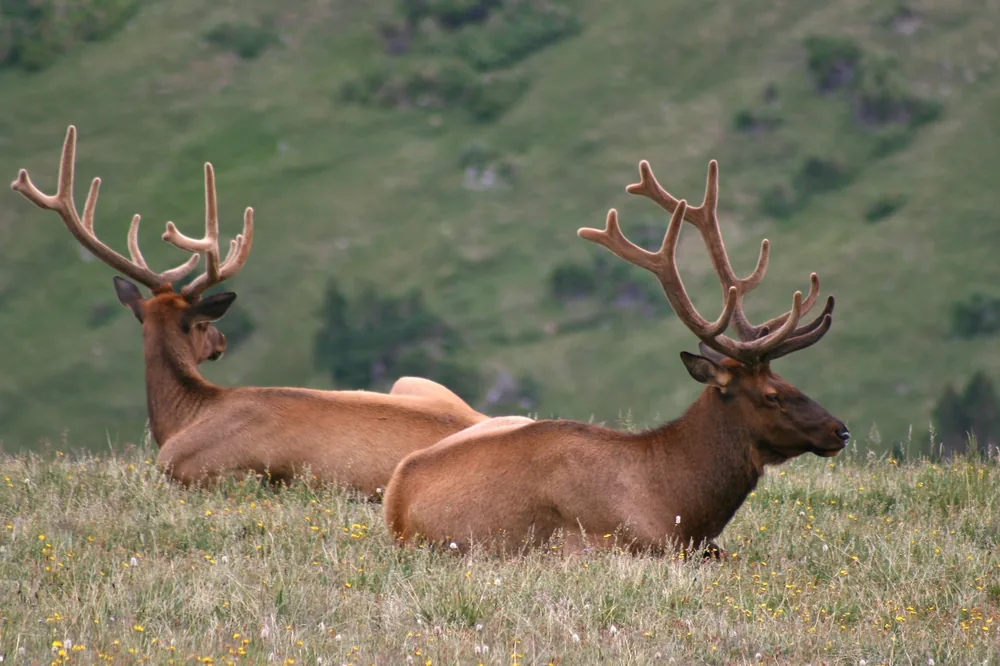
Winter transforms elk behavior as herds move to lower elevations seeking food and shelter. Large congregations can be observed in meadows around Estes Park and the lower portions of Rocky Mountain National Park. These magnificent animals have grown thick winter coats and moved into survival mode, making respectful observation essential.
Bighorn Sheep Winter Activities
Winter Habitat: South-facing slopes with wind-blown areas
Feeding Behavior: Pawing through snow to reach grass
Best Locations: Sheep Lakes area (accessible even when road closed)
Safety Note: Use spotting scope or binoculars for viewing
Winter Bird Species
Resident Species:
- White-tailed ptarmigan (alpine areas)
- Gray jay (subalpine forests)
- Clark's nutcracker (high-elevation conifers)
- American dipper (along open streams)
- Mountain chickadee (mixed forests)
Winter Photography Opportunities
Cold-Weather Photography Tips
Equipment Protection:
- Keep spare batteries warm inside jacket
- Allow gradual temperature adjustment to prevent condensation
- Use lens hoods to prevent snow accumulation
- Protect equipment with waterproof covers
Composition in Snow:
- Overexpose by 1-2 stops for bright snow scenes
- Look for color contrast against white backgrounds
- Use animal tracks to create leading lines
- Capture golden hour light on snow-covered peaks
Winter Safety and Preparedness
Cold-Weather Safety Essentials
Layering System
Base Layer: Merino wool or synthetic wicking material
Insulation Layer: Down or synthetic insulation jacket
Shell Layer: Waterproof, breathable outer protection
Extremities: Insulated boots, warm gloves, winter hat
Hypothermia Prevention
Recognition Signs:
- Uncontrollable shivering
- Loss of coordination
- Confusion or poor decision making
- Slurred speech
Prevention Strategies:
- Stay dry and change wet clothes immediately
- Eat high-energy foods regularly
- Stay hydrated (dehydration increases cold risk)
- Turn back at first signs of cold stress
Emergency Preparedness
Winter Emergency Kit
Survival Essentials:
- Emergency shelter (bivy sack or tarp)
- Fire starting materials (waterproof matches, lighter)
- Emergency food (energy bars, trail mix)
- Extra water or purification tablets
- First aid kit with cold injury supplies
- Emergency whistle for signaling
- Headlamp with extra batteries
Winter Accommodations and Services
For detailed winter lodging options and services in Estes Park and Grand Lake, including heated accommodations perfect for winter sports enthusiasts, see our comprehensive Accommodation and Dining Guide.
Winter Activity Services
Guided Winter Tours
Rocky Mountain Conservancy:
Naturalist-led snowshoe tours
(970) 586-0108
Kent Mountain Adventure Center:
Equipment rental and guided backcountry skiing
(970) 586-5390
🎿 Winter Activity Pro Tips
- Start Early: Winter days are short - begin activities by 8 AM
- Check Conditions: Avalanche bulletins and weather forecasts essential
- Tell Someone: Always leave detailed itinerary with reliable contact
- Turn Back Early: Winter conditions can deteriorate rapidly
- Bring Extra: Food, water, and warm clothing beyond normal needs
Winter in the Trail Ridge Road area offers extraordinary opportunities for outdoor recreation and wildlife observation unavailable during the busy summer season. From the meditative rhythm of snowshoeing through pristine wilderness to the exhilarating glide of cross-country skiing across frozen landscapes, winter activities provide intimate access to one of Colorado's most spectacular mountain environments. With proper preparation, equipment, and respect for winter conditions, these cold-weather adventures create unforgettable memories in America's premier alpine national park.
Related Winter Resources: