High Altitude Driving Safety Complete Guide 2025
Driving at high altitude presents unique challenges and risks that require specialized knowledge, preparation, and safety protocols. This comprehensive guide provides essential information for safely navigating Colorado's mountain roads, including Trail Ridge Road and other high-elevation routes, ensuring your mountain driving experience is both safe and memorable.
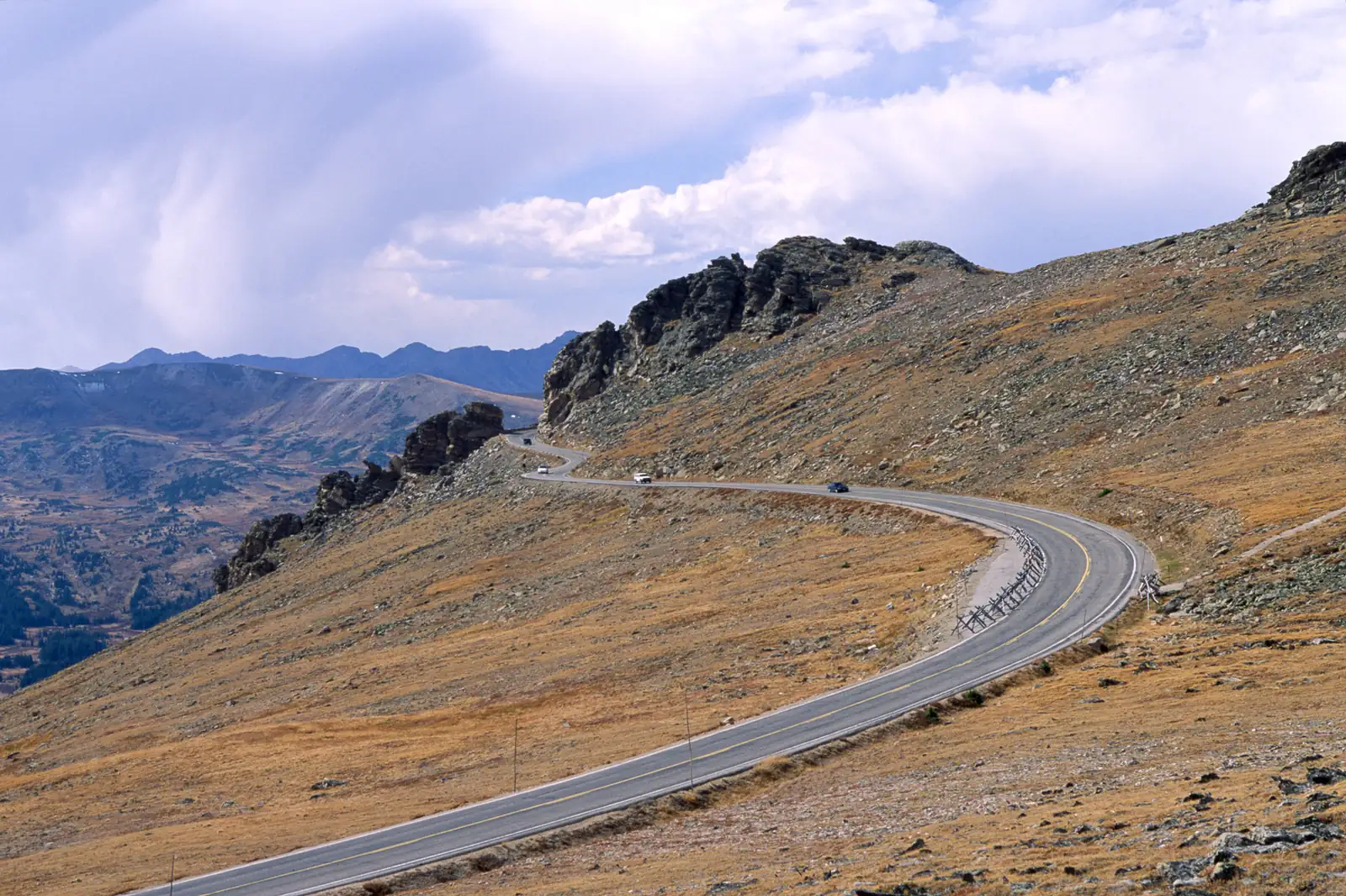
🚨 Critical High-Altitude Driving Hazards
- Reduced Vehicle Performance: 36% power loss at 12,000 feet
- Rapid Weather Changes: Conditions can deteriorate within minutes
- Altitude Sickness: Affects reaction time and decision-making
- Limited Emergency Services: Remote locations with no cell coverage
Understanding High-Altitude Driving Challenges
High-altitude driving differs significantly from sea-level conditions due to reduced atmospheric pressure, lower oxygen levels, extreme weather variability, and terrain challenges. Understanding these factors is crucial for safe mountain travel.
Atmospheric Effects on Vehicles
Engine Performance Loss: Internal combustion engines lose approximately 3% of power for every 1,000 feet of elevation gain. At Trail Ridge Road's 12,183-foot summit, vehicles operate at only 64% of sea-level power, significantly impacting acceleration, passing ability, and hill-climbing performance.
Cooling System Stress: Thin air provides less cooling efficiency, increasing engine operating temperatures and the risk of overheating, especially during steep climbs or extended idling in traffic.
Fuel System Changes: Reduced air density affects fuel mixture, potentially causing rough idle, hesitation during acceleration, and increased fuel consumption in non-fuel-injected vehicles.
Human Factors at Altitude
Altitude affects drivers' physical and cognitive abilities, impacting safety through reduced reaction times, impaired judgment, fatigue, and potential altitude sickness symptoms that can begin as low as 8,000 feet elevation.
Pre-Trip Vehicle Preparation
Proper vehicle preparation is essential for safe high-altitude driving. Mountain conditions place exceptional demands on vehicles, and mechanical failures at altitude can be dangerous and expensive.
Essential Mechanical Inspections
🔧 Critical Vehicle Systems Check
- Cooling System: Inspect radiator, hoses, thermostat, coolant levels and condition
- Brake System: Check pads, fluid, and brake lines for mountain descent demands
- Tire Condition: Verify tread depth, pressure, and inspect for damage or wear
- Battery and Electrical: Test battery condition and charging system
- Fuel System: Ensure clean fuel filter and proper fuel injector operation
Fluid and Filter Maintenance
Engine Oil: Use appropriate viscosity for temperature range; cold mountain mornings may require thinner oil for easier starting and circulation.
Coolant System: Verify proper antifreeze concentration for expected temperatures; mountain areas can experience freezing even in summer months.
Brake Fluid: Ensure fresh, clean brake fluid; mountain driving generates significant heat that can cause brake fluid degradation.
Vehicle Performance at Altitude
Understanding how altitude affects vehicle performance helps drivers anticipate limitations and adjust driving techniques accordingly.
Power and Acceleration Changes
Naturally aspirated engines experience significant power loss at altitude, affecting:
- Acceleration: Reduced ability to accelerate for passing or merging
- Hill Climbing: Decreased power for steep mountain grades
- Load Carrying: Reduced capability when towing or carrying heavy loads
- Air Conditioning: Increased engine load from A/C compressor operation
Transmission and Drivetrain Considerations
Automatic transmissions may downshift more frequently on mountain grades, increasing engine RPM and heat generation. Manual transmissions require more aggressive downshifting to maintain speed on steep climbs.
⚠️ High-Altitude Vehicle Warning Signs
- Overheating: Temperature gauge rising, steam from engine compartment
- Power Loss: Unusual difficulty maintaining speed on moderate grades
- Rough Running: Engine hesitation, irregular idle, or misfiring
- Brake Fade: Reduced braking effectiveness, spongy pedal feel
Weather Hazards and Recognition
Mountain weather changes rapidly and can create life-threatening driving conditions with little warning. Understanding weather patterns and recognition signs is crucial for safety.
Thunderstorm Development
Afternoon thunderstorms are common above treeline during summer months, typically developing between 11 AM and 5 PM. These storms can produce:
- Lightning: Extreme danger above treeline with no shelter available
- Hail: Can damage vehicles and create slippery road conditions
- High Winds: Gusts exceeding 70 mph that can destabilize vehicles
- Flash Flooding: Rapid water accumulation in low-lying road sections
Winter-Like Conditions
Snow and ice can occur at high altitude any month of the year, creating hazardous driving conditions even during summer travel.
❄️ Year-Round Winter Preparations
- Tire Chains: Required equipment; know installation procedures
- Ice Scraper: Essential for windshield and mirror clearing
- Emergency Blankets: Critical for warmth if stranded
- Extra Clothing: Layered warm clothing for temperature drops
Altitude Sickness and Driver Impairment
Altitude sickness can significantly impair driving ability, affecting reaction time, judgment, and decision-making capabilities. Understanding symptoms and management is essential for safe mountain driving.
Altitude Sickness Symptoms
Symptoms typically begin above 8,000 feet and worsen with increased elevation:
- Mild Symptoms: Headache, nausea, fatigue, dizziness
- Moderate Symptoms: Difficulty sleeping, loss of appetite, weakness
- Severe Symptoms: Confusion, difficulty walking, shortness of breath at rest
- Life-Threatening: High-altitude cerebral or pulmonary edema
Impairment Management
Prevention: Ascend gradually, stay hydrated, avoid alcohol, and recognize early symptoms.
During Driving: Stop immediately if experiencing symptoms, descend to lower elevation, and seek medical attention for severe symptoms.
💊 Altitude Sickness Prevention
- Hydration: Drink extra water; dehydration worsens symptoms
- Gradual Ascent: Allow time for acclimatization when possible
- Avoid Alcohol: Alcohol increases dehydration and symptom severity
- Medication: Consult physician about altitude sickness prevention medication
Defensive Driving Techniques
Mountain driving requires modified techniques to account for reduced performance, changing conditions, and unique hazards.
Speed and Following Distance
Reduced Speeds: Drive slower than posted limits when conditions warrant; mountain roads have speed limits based on ideal conditions.
Increased Following Distance: Maintain extra space for reduced braking performance and reaction time at altitude.
Curve Navigation: Enter curves slower than normal; high-altitude thin air affects vehicle stability and traction.
Braking Techniques
Engine Braking: Use lower gears for descents to reduce brake wear and prevent overheating.
Brake Management: Apply brakes intermittently rather than continuously to prevent overheating and fade.
Cooling Periods: Allow brakes to cool during extended descents by using turnouts when available.
Emergency Preparedness
High-altitude driving requires comprehensive emergency preparation due to remote locations, limited services, and potential for rapid condition changes.
Essential Emergency Equipment
🎒 Complete Emergency Kit
- Communication: Satellite messenger, two-way radio (cell service limited)
- Navigation: GPS with offline maps, paper maps, compass
- Shelter: Emergency blankets, sleeping bags, portable shelter
- Food and Water: 3-day supply for all passengers
- Medical Supplies: First aid kit, prescription medications, altitude sickness remedies
- Vehicle Repair: Tire repair kit, jumper cables, basic tools
- Signaling: Flares, reflective triangles, bright clothing
Emergency Procedures
Vehicle Breakdown: Move vehicle completely off roadway, activate hazard lights, raise hood, and deploy warning devices 100 feet behind vehicle.
Severe Weather: Seek hard shelter immediately; do not remain in vehicle during lightning storms above treeline.
Medical Emergency: Call 911 or (970) 586-1399, provide exact location using GPS coordinates or mile markers.
Specific Mountain Road Challenges
Steep Grades and Switchbacks
Colorado mountain roads often feature grades exceeding 6% with tight switchback turns that require specific techniques:
- Uphill Climbing: Maintain steady throttle, avoid sudden acceleration, use appropriate gear
- Downhill Descents: Use engine braking, maintain control speed, avoid riding brakes
- Switchback Navigation: Slow for turns, stay in lane, watch for oncoming traffic
Narrow Roads and Drop-offs
Many mountain roads feature narrow lanes with significant drop-offs and limited shoulder space:
- Lane Discipline: Stay within lane markers, avoid center line driving
- Passing Zones: Only pass in designated areas with adequate sight distance
- Large Vehicle Considerations: RVs and trailers require extra caution and space
🚛 Large Vehicle Restrictions
- Length Limits: Check specific road restrictions for RVs and trailers
- Weight Restrictions: Some mountain roads have weight limits
- Seasonal Restrictions: Additional limitations during winter months
- Commercial Vehicles: Special routing requirements and restrictions apply
Seasonal Safety Considerations
Summer Driving (June-August)
Advantages: Generally good road conditions, maximum daylight hours, full services available.
Hazards: Afternoon thunderstorms, high traffic volume, increased wildlife activity, construction zones.
Shoulder Season Driving (May, September-October)
Advantages: Fewer crowds, excellent visibility, moderate temperatures.
Hazards: Unpredictable weather, potential snow and ice, limited services, early darkness.
Winter Conditions (November-April)
Extreme Hazards: Many high-altitude roads close completely; remaining roads require winter driving expertise, proper equipment, and emergency preparedness.
Technology and Navigation
Modern technology provides valuable assistance for high-altitude driving, but backup systems are essential due to equipment limitations at altitude and in remote areas.
GPS and Navigation Systems
Limitations: Satellite coverage may be reduced in deep mountain valleys; GPS accuracy can be affected by atmospheric conditions at high altitude.
Backup Navigation: Carry detailed paper maps and compass; know how to use them if electronic systems fail.
Weather Monitoring
Real-Time Updates: Use NOAA Weather Radio for official forecasts and emergency alerts.
Radar Applications: Weather radar apps help track approaching storms and precipitation.
Wildlife and Road Hazards
Mountain roads present unique wildlife encounter risks, especially during dawn, dusk, and nighttime hours.
Common Wildlife Encounters
- Elk and Deer: Most common; can cause severe vehicle damage and injury
- Black Bears: Occasional road crossings, especially near food sources
- Mountain Goats and Bighorn Sheep: May be on or near roadway, especially salt sources
- Small Mammals: Marmots, chipmunks, and ground squirrels cross frequently
Wildlife Avoidance Strategies
Timing: Exercise extra caution during dawn and dusk hours when wildlife is most active.
Speed Reduction: Drive slower in wildlife zones; animals can appear suddenly and move unpredictably.
Scanning Techniques: Continuously scan road edges and ditches for animal movement.
🦌 Wildlife Encounter Procedures
- Do Not Swerve: Hit brakes firmly, maintain lane position
- Multiple Animals: Where you see one, expect more to follow
- After Impact: Check for vehicle damage, passengers, call authorities
- Reporting: Report wildlife collisions to park or state authorities
Road Maintenance and Construction
Mountain roads require intensive maintenance due to harsh weather conditions, freeze-thaw cycles, and extreme temperature variations.
Construction Zone Safety
Mountain road construction presents unique challenges with limited space, steep grades, and potential for loose gravel or debris.
- Reduced Speed: Follow posted construction speeds; fines are typically doubled
- Increased Following Distance: Construction debris can cause tire damage or windshield chips
- Worker Safety: Be especially alert for workers on foot in narrow work zones
Planning and Route Selection
Successful high-altitude driving begins with careful planning and appropriate route selection based on vehicle capabilities, driver experience, and current conditions.
Route Assessment
Vehicle Suitability: Ensure your vehicle is appropriate for planned route elevation, grades, and distances.
Driver Experience: Assess your comfort level with mountain driving; consider easier routes for inexperienced drivers.
Weather Windows: Plan travel during optimal weather periods; avoid afternoon thunderstorm times.
Alternative Route Planning
Always have backup route options in case of road closures, severe weather, or vehicle problems. Know turnaround points and escape routes throughout your journey.
High-altitude driving requires respect for mountain conditions, proper preparation, and continuous vigilance. By understanding the unique challenges and implementing appropriate safety measures, drivers can safely enjoy Colorado's spectacular mountain roads while minimizing risks to themselves and others. Remember that conditions can change rapidly at altitude, and conservative decision-making is always the best approach for mountain travel safety.